Halal Certification & Import Rules for Thai Products in the GCC (2026)
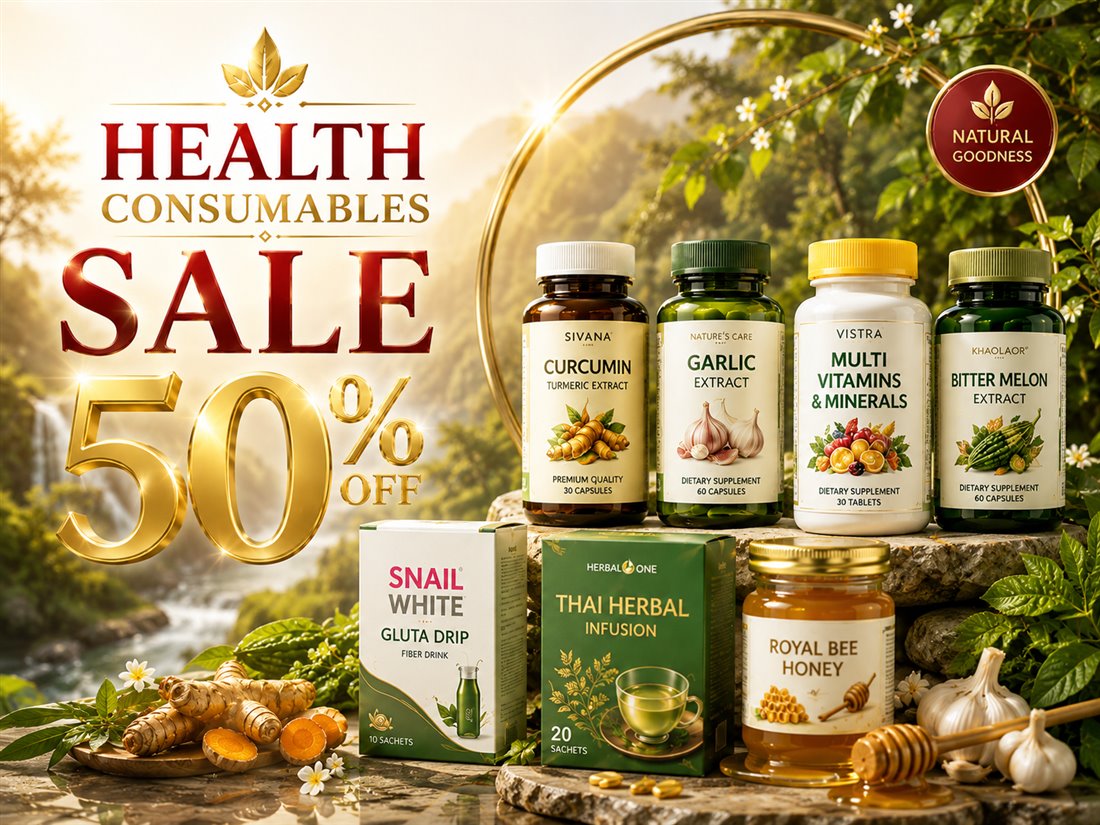
This article is general information for reference.
Why Halal Certification Is the Gatekeeper for GCC Market Entry
For importers and distributors bringing Thai skincare, herbal products, snacks and health supplements into Saudi Arabia, the UAE, Qatar, Kuwait, Oman and Bahrain, halal status is often a major factor in whether a product clears customs, gets listed by a modern-trade retailer, or sits on a warehouse shelf unsold. Compared with many ASEAN markets, GCC authorities and retailers often expect documented proof of halal compliance for many cosmetics, food, and ingestible supplements — even when the product itself contains no obviously non-halal ingredients.
This guide explains how Thailand's halal certification system works, what GCC customs authorities commonly expect, and how serious buyers can de-risk sourcing before placing a bulk order.
Understanding Thailand's Halal Certification System (CICOT)
In Thailand, halal certification is issued under the Central Islamic Council of Thailand (CICOT), the main halal certifying body in the country. Whether a specific certificate is recognized by a given GCC authority should be confirmed for your destination market. A CICOT halal mark indicates that:
- Raw materials, additives and processing aids are free of pork derivatives, alcohol (in the case of ingestible products) and other haram substances
- Production lines are audited and, where shared with non-halal products, properly segregated and cleaned between runs
- The manufacturing facility has passed an on-site inspection and maintains ongoing compliance monitoring
What This Means for Buyers
When sourcing Thai halal-certified skincare or food products wholesale, request the current CICOT certificate with the manufacturer's name, product scope, and expiry date — not just a logo on the packaging. Certificates should be cross-checked against the CICOT registry, and it's worth confirming the certificate covers the specific SKU you intend to import, since certification is often product-line specific rather than blanket company-wide.
Import Compliance by GCC Country
The notes below are general reference only. Regulations change frequently — confirm current requirements with the relevant authority or a licensed customs broker in your destination market.
Saudi Arabia (SFDA & SASO)
Cosmetics and supplements generally require registration with the Saudi Food and Drug Authority (SFDA) before import, including product notification, ingredient disclosure and, for supplements, additional safety documentation. Consumer goods more broadly may also need to meet SASO conformity requirements, often via a Certificate of Conformity (CoC) issued through an accredited inspection body before the shipment leaves origin.
UAE (ESMA & Dubai Municipality)
The UAE requires products to comply with national technical regulations (formerly under ESMA, now MoIAT), and cosmetics are registered through the Dubai Municipality or MOHAP portal depending on the emirate of entry. Halal logo usage on packaging is regulated — only recognized certification marks are accepted, so confirm whether the specific certificate is recognized by the UAE authority.
Qatar, Kuwait, Oman, Bahrain
These markets generally follow GCC Standardization Organization (GSO) technical regulations, with local customs authorities requiring halal certificates, ingredient lists in Arabic and English, and in some cases local agent registration before a product can be sold at retail.
Product Categories Most Affected
- Skincare & cosmetics — alcohol content, collagen source (bovine vs. marine vs. plant), and any animal-derived emulsifiers are closely scrutinized
- Food & snacks — gelatin, flavorings, and cross-contamination risk in shared factories are common compliance gaps
- Health supplements — capsule shell material (gelatin vs. HPMC) and encapsulation source frequently require substitution for halal-compliant versions
Documentation Checklist Before You Order
- Valid CICOT halal certificate matching the exact product SKU
- Certificate of Free Sale (CFS) issued in Thailand
- Full ingredient list (INCI for cosmetics) in English and Arabic
- SFDA / ESMA / GSO conformity documentation as applicable to destination market
- Product safety data sheet and, for cosmetics, a Cosmetic Product Safety Report where required
Practical Tips for Importers and Distributors
- Request halal certification and CFS documents in writing before confirming any bulk purchase order, not after production
- Where possible, consider suppliers that already export to Malaysia or Indonesia — their halal and export documentation may be closer to what GCC buyers need, but still confirm it for each market
- Allow extra time for SFDA/ESMA registration compared with shipping to ASEAN destinations — timing varies by product and authority, so confirm it with your local agent or customs broker
- Ask for Arabic-ready packaging or labeling artwork early, since retrofitting labels after production delays launch timelines
Working with Halal-Certified Thai Suppliers
Halal certification status differs between factories and product lines, so it needs to be checked SKU by SKU. Buyers entering the GCC should treat halal documentation with the same seriousness as price negotiation — it is an essential step, not an optional add-on. Checking a supplier's CICOT status, registration history and Arabic labeling capability early can help avoid delays between sourcing and shelf.
ThaiNex is a Bangkok-based distributor of Thai consumer products, including skincare, food, snacks and supplements. Halal certificates and other documents may be available on request, depending on the product. Register free at thainex.com to view wholesale prices, or send us your product list for a wholesale quotation — we coordinate shipping from Bangkok. Contact ThaiNex to request a wholesale quotation for your target GCC market.