Thai Skincare & Beauty Wholesale: A GCC Importer's Sourcing Playbook (2026)
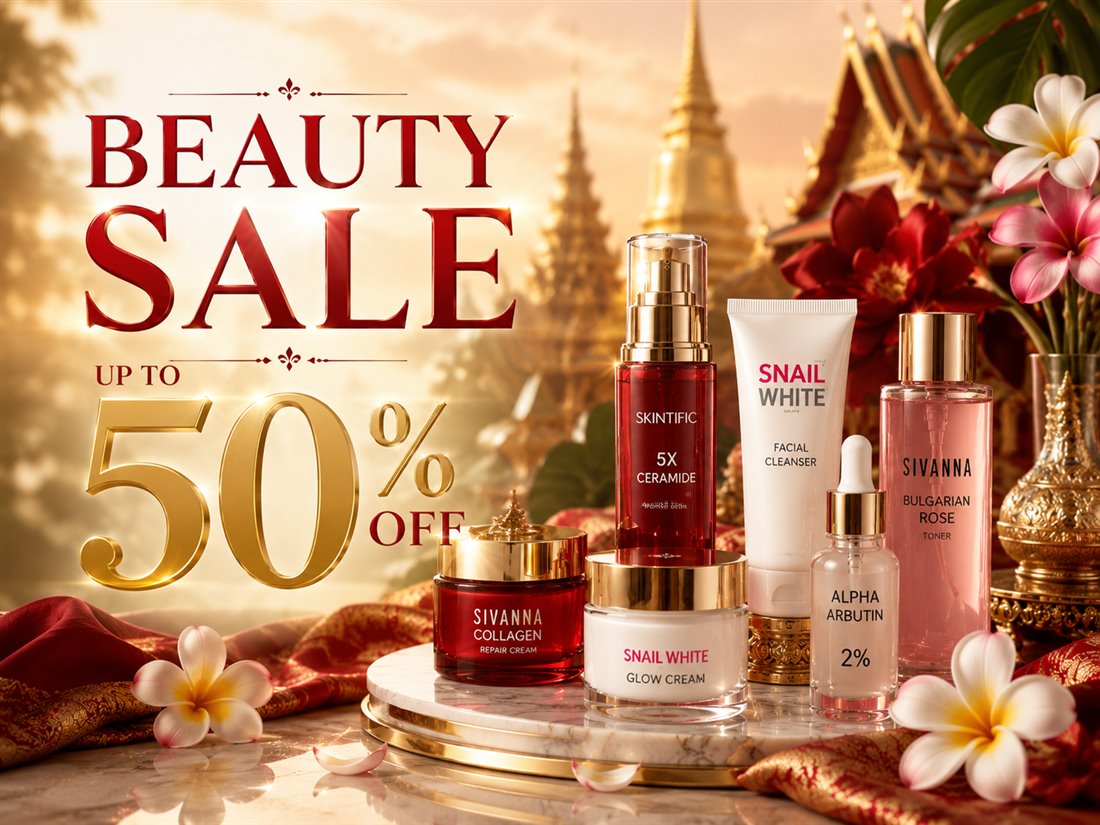
This article is general information for reference.
Thai skincare and beauty products have built a loyal following across the Middle East and GCC — from Dubai beauty souks to pharmacy chains in Riyadh and Kuwait City. But moving from "I like this brand" to a repeatable wholesale operation requires more than picking bestsellers. It requires understanding how sourcing structure, order size, and compliance requirements affect your landed cost. This playbook walks GCC importers through those factors.
Why Thai Beauty Products Fit the GCC Market
Thai skincare brands are well positioned for hot, humid, high-UV climates similar to parts of the Gulf — think brightening serums, oil-control formulas, SPF-rich sun care, and herbal-based body care. Thai products are widely viewed as effective, good-value and "clinically styled", which makes them a category worth considering for pharmacies, cosmetics retailers, and e-commerce marketplaces across the UAE, Saudi Arabia, Qatar, Oman, Bahrain, and Kuwait.
Understand the Three Sourcing Routes
1. Direct factory sourcing
Can offer competitive unit pricing, but often involves larger order quantities, Thai-language negotiation, and your own quality control and logistics coordination — workable mainly for buyers ordering full containers of a single SKU.
2. Domestic Thai trading companies
A middle layer; product range, order-quantity options and export-documentation experience vary from company to company, so it is worth comparing a few.
3. Export-focused wholesale consolidators
Consolidators such as ThaiNex carry products from multiple Thai brands, allowing importers to request a mixed-brand, mixed-category container or pallet — combining, for example, whitening serums, sunscreen, herbal soap bars, and hair care in one shipment. This can be a practical route for GCC distributors who want variety without managing many separate supplier relationships.
Categories With Strong GCC Demand
- Brightening / whitening serums and creams — popular in pharmacy and beauty retail channels
- Sun care (SPF 50+) — high demand given climate, especially fluid and gel textures
- Herbal and rice-based skincare — positioned as "natural," appeals to halal-conscious and clean-beauty shoppers
- Body lotions and whitening body care — strong repeat-purchase category
- Hair care with herbal branding — steady demand in supermarkets and beauty supply stores
Understanding Landed Cost
Many first-time importers price using FOB cost alone, then get surprised by the other costs involved. A realistic calculation includes:
- FOB/EXW unit cost from the Thai supplier
- Freight and insurance (sea freight per CBM or container, plus marine insurance)
- Import duty and VAT/customs clearance in the destination GCC country
- Halal certification and Arabic labeling costs, where applicable
- Local distribution, storage, and marketing costs
Landed cost varies widely by product, order size, route and destination, so there is no single benchmark. Larger, consolidated orders generally spread freight and compliance costs over more units, while small trial orders (a few cartons) usually carry a higher cost per unit — treat these as market-testing purchases, not the basis for your long-term pricing model.
Structuring Orders for GCC Buyers
Rather than committing to a full-container single-brand order upfront, many GCC importers prefer to start with a mixed pallet or LCL (less-than-container-load) shipment across 4–8 SKUs to test sell-through in local pharmacies, beauty stores, or online channels. Once a few SKUs prove strong, they scale those specific items into full-container FCL orders, which can lower per-unit freight cost.
It's also worth asking your supplier about order quantity options for new SKUs and how pricing changes at higher reorder volumes.
Compliance Essentials Before You Order
- Confirm whether products require halal certification for your target country (Saudi Arabia and UAE have specific cosmetics/personal care rules)
- Check GSO (Gulf Standardization Organization) conformity requirements for cosmetics
- Arrange Arabic-language labeling (ingredients, usage instructions, batch/expiry) — many suppliers can pre-print this if given enough notice
- Request full ingredient (INCI) lists and Certificates of Analysis upfront, not after the shipment departs
Regulatory references (SFDA, SASO, ESMA/MoIAT, GSO) are general only — confirm current requirements with the local authority or a customs broker in your destination country.
A Simple Sourcing Checklist
- Shortlist 4–6 SKUs across 2–3 categories based on your target retail channel
- Request a wholesale quotation at a few order-volume tiers
- Confirm halal status, GSO compliance, and labeling timing
- Calculate full landed cost, not just FOB, before setting your retail price
- Start with a trial mixed-SKU shipment before committing to full-container orders
ThaiNex is a Bangkok-based distributor of Thai skincare and beauty products for importers, distributors and retailers. Register free at thainex.com to view wholesale prices, or send us your product list for a wholesale quotation. Halal and other documents may be available on request depending on the product, and we coordinate shipping from Bangkok. Contact ThaiNex today to request a wholesale quotation or product catalog tailored to your market and order volume.